

The workers were nice and professional. The wait was short. The only problem I had is because it is very far from where I live. I wish there was one that was closer.
Read More
Why Vaccinations Matter Before You Travel Abroad
Posted: Dec 16th, 2025 at 12:00AM
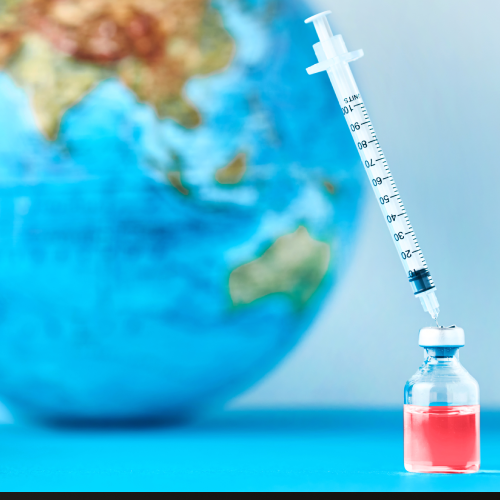
Why Vaccinations Matter Before You Travel Abroad
Traveling internationally opens up exciting possibilities—experiencing new cultures, landscapes, foods, and people. But it also brings health risks that are often overlooked until it’s too late. Diseases that are rare or well controlled in the U.S. can still be common elsewhere, and exposure in another country may leave you vulnerable without prior protection.
That’s where travel vaccinations come in. Proper immunizations before your trip can mean the difference between a smooth journey and an unexpected medical emergency. In this article, we’ll explore the key reasons why vaccination is crucial, what you need to know before you go, how travel medicine clinics like e7 Health can support you, and practical advice to prepare.
- Travel Introduces Unique Disease Risks
Exposure to Pathogens You Don’t Normally Encounter
When you cross borders, you expose yourself to new environments, climates, insects, and microbes—many of which your immune system may never have seen. In many countries, infectious diseases that are now rare in the U.S. still circulate. These include illnesses like yellow fever, typhoid, Japanese encephalitis, cholera. Without proper vaccination, you may be unprotected.
Risk Amplified by Travel Conditions
Some aspects of travel raise your vulnerability:
- Time spent in remote or rural regions, where healthcare access is limited
- Close quarters or mass gatherings, which facilitate disease spread
- Unfamiliar sanitation, water, or food safety standards
- Atmospheric, elevation, or environmental stressors that can weaken defenses
- Transit hubs, airports, crowded courts or terminals, increasing exposure risk
Because of these factors, many countries have endemic disease patterns that just don’t exist (or are extremely rare) in the U.S. A vaccine you might take lightly at home becomes far more important abroad.
Preventing Illness, Quarantine, or Disruption
Getting sick in another country can be far more serious—you may not immediately recognize symptoms, local medical facilities may be less robust, and health insurance coverage may not apply or may require evacuation. Also, some diseases can require isolation or quarantine, which can disrupt travel plans significantly.
- Vaccines Are a Core Part of Pre-Travel Health Strategy
A professional pre-travel consultation (ideally several weeks before departure) is an opportunity to assess your health history, itinerary, destination risks, and what immunizations or prophylaxis you’ll need.
During that consultation, a travel medicine provider focuses on:
- Assessing your personal risk: your health conditions, age, immune status
- Evaluating your planned destinations, stops, and exposures
- Reviewing which routine and travel-specific vaccines you need
- Checking your existing vaccination records and immunity
- Advising timing (because some vaccines require multiple doses or lead time)
- Administering vaccines, boosters, or alternate schedules if needed
- Educating on prevention beyond vaccines: safe food and water, insect avoidance, hygiene, prophylactic medications
Vaccinations are not just about meeting entry requirements—they’re about reducing your risk, protecting your health, and allowing you to travel with confidence.
- What Types of Vaccines Might You Need?
Below is a summary of the vaccine categories travelers should consider. (Which ones apply depends on your destination, trip length, activities, and health history.)
A. Routine Vaccines & Boosters
These are vaccines recommended for all people in the U.S., and the CDC recommends should be up-to-date before travel:
- Measles, mumps, and rubella (MMR)
- Tetanus, diphtheria, pertussis boosters (Td or Tdap)
- Influenza (seasonal flu)
- Polio boosters, depending on areas visited
- Varicella (chickenpox) if not previously immune
- Other adult immunizations (e.g. pneumococcal, shingles)
If any of these are lapsed, catching up before travel helps reduce your baseline vulnerability.
B. Destination-Specific / Travel-Related Vaccines
The following vaccines are important when traveling to places where additional risk exists:
- Yellow fever (required for entry or strongly recommended in some countries)
- Typhoid fever
- Hepatitis A and B
- Japanese encephalitis
- Rabies (especially if you’ll be in rural areas, working with animals, or staying in places with limited access to post-exposure care)
- Meningococcal vaccines (some countries require or recommend them, especially for mass gatherings)
- Cholera (depending on region and exposure risk)
- Other regionally relevant vaccines or booster doses
- For many vaccines, timing matters—they may require two or more doses over weeks or months, or need to be given several days before exposure to build immunity.
C. Last-Minute or Accelerated Vaccination
If your travel is spontaneous, you may not have ideal lead time. Many travel clinics can offer accelerated dosing schedules or single-dose vaccines when available. The key is prioritizing vaccines that offer protection quickly against the highest risks, while planning to complete any multi-dose series later. Even partial vaccination is better than none.
- The Consequences of Skipping Vaccines
Choosing to travel without appropriate immunizations is essentially gambling on your health. Here are possible outcomes:
- Contracting serious illness abroad
- Needing hospitalization or emergency evacuation, which is very costly
- Quarantine or travel delays
- Inadvertent importation of disease (and risk to family members and the general population)
- Disqualification from certain travel or event access if proof of vaccination is required
- Long-term health complications from infection
In short: the investment in vaccines upfront is often modest compared to the potential cost—financial, logistical, and physical—of getting sick.
- How a Travel Medicine Clinic (Like e7 Health) Makes It Practical
Travel medicine specialists and clinics have expertise and infrastructure that streamline the vaccination and travel-prep process. They offer:
Expert Risk Assessment
They understand epidemiology, disease patterns by region, outbreak intel, and individual risk factors (age, chronic diseases, medications) and translate that into a customized vaccine and prevention plan.
Access to Vaccines You May Not Find Locally
Many routine medical offices don’t stock specialty travel vaccines (e.g. Japanese encephalitis, yellow fever, rabies pre-exposure). A travel medicine clinic maintains a broader inventory for global travelers.
Scheduling & Timing Coordination
Clinics coordinate multi-dose schedules, boosters, or accelerated regimens so that you’re covered before departure. They ensure vaccine intervals are properly spaced and avoid conflicts.
Documentation & Certification
Some countries require proof of vaccination (e.g. yellow fever certificates). Travel clinics can issue official documentation and help you maintain a personal immunization record.
Follow-Up and Continuity
If your trip includes multiple legs or long stays, a travel clinic can advise follow-up doses, booster timing, or vaccination catch-up after your return.
Education & Prevention Beyond Vaccines
Vaccines are crucial, but not sufficient on their own. Travel clinics also counsel you on:
- Food and water safety
- Insect bite prevention and vector control
- Altitude sickness
- Health kit preparation (antimalarials, antibiotics, first-aid)
- What to do in case of exposure or illness
By integrating vaccination with broader travel health planning, you get a holistic protection strategy.
- Timing & Preparation: When to Start
Vaccination should ideally begin several weeks to months before travel. This allows sufficient time for multi-dose schedules or booster builds. It also gives a buffer to address any side effects or changes.
A common recommendation is to schedule a pre-travel health appointment 4–6 weeks before departure. In cases of last-minute travel, clinics can provide what’s possible even days before the trip, focusing on high-priority protection.
If you wait too long, you may lose the chance to complete full vaccine series or build full immunity, so earlier planning is best.
- Real-World Examples That Illustrate the Importance
- Measles in transit: Measles outbreaks continue globally. Even traveling in airplanes, airports, or transit hubs can pose exposure risk—so being vaccinated helps protect you even on the move.
- Yellow fever certificates: Some nations require travelers to show proof of yellow fever vaccination upon entry; without it, travelers may be denied entry or forced into quarantine.
- Rabies in remote areas: In many developing regions, prompt post-exposure treatment (like rabies immunoglobulin) may not be available. Having pre-exposure vaccination adds a layer of personal safety.
- Traveler’s diarrhea & hepatitis A: These are common health issues abroad related to food or water. Vaccination can prevent or mitigate illness.
These examples show how the decision to vaccinate is not theoretical—it’s grounded in real risk scenarios.
- Practical Checklist: How to Prepare
If you're planning international travel, here’s a recommended checklist to ensure your vaccinations are effective and timely:
- Review your existing vaccination records and immunity
- Know which routine vaccines you’ve received and when
- Check for immunity or past infections if relevant
- Prioritize destinations and exposures
- Urban vs rural, altitude, seasons, insect exposure, food/water safety
- Special activities: wildlife, jungle trekking, animal contact
- Book a travel medicine appointment early (4–6+ weeks before travel)
- Bring your immunization history and medical history
- Discuss chronic conditions, medications, allergies, pregnancy
- Receive the needed vaccines & boosters
- Follow recommended schedule or accelerated plans
- Get certification (yellow card or ICVP) when required
- Plan for incomplete series if needed
- Some vaccines can be continued abroad or in a catch-up fashion
- Prioritize which ones to complete before travel
- Receive counseling on prevention measures
- Use insect repellent, nets, safe water practices
- Carry a travel health kit with medications and first aid supplies
- Maintain records & documentation
- Keep vaccination card, clinic receipts, medical notes
- Carry copies during travel
- Consider post-travel follow-up
- Monitor for illness for weeks after return
- Some vaccines or boosters may need follow-up doses
Following a plan like this significantly raises your odds of arriving healthy, staying well abroad, and returning safely.
- Addressing Common Concerns & Misconceptions
- “Vaccines are risky.” While no medical intervention is zero-risk, vaccines used for travel undergo rigorous safety testing and monitoring. The risks of vaccine-preventable diseases generally far exceed the risks of immunization.
- “I’m just going to a well-developed country — I don’t need vaccines.” Even in developed countries, you might pass through airports, transit hubs, or regions experiencing outbreaks. Routine and destination-specific vaccines add protection.
- “It’s too late — my trip is in a few days.” Even if time is short, many travel clinics can offer key vaccines or partial protection. It’s better to get what you can than none at all.
- “I already had the disease, so I’m immune.” Some infections confer long-term immunity; others do not. A travel medicine provider can assess your immune history and recommend vaccines or serologic testing accordingly.
- “I don’t want extra shots.” Think of travel vaccinations not as optional extras but as insurance for your health in unfamiliar places.
- Why Choose a Specialized Travel Medicine Service
When you work with a travel medicine provider—like e7 Health’s travel medicine services—you gain advantages:
- Expertise in regional disease threats, outbreak data, and vaccine science
- Access to full vaccine inventory, including rare/travel-only vaccines
- Coordinated scheduling to ensure optimal timing and booster spacing
- Official documentation & recordkeeping for legal or entry requirements
- Integrated preventive health support, beyond just shots
- Peace of mind that your health plan is tailored and thorough
By viewing your travel immunizations as part of an overall health strategy, you travel more confidently and reduce the chance that illness will derail your experience.
Travel abroad is an opportunity to explore, connect, and grow—but it does come with health risks you can largely prevent. Vaccines are one of the most powerful, cost-effective tools in your travel health toolkit. They let you move freely, minimize risk, reduce travel disruption, and protect yourself and others.
Getting vaccinated before international travel isn’t just a “nice to have”—in many situations it’s essential. From routine boosters to destination-specific immunizations and accelerated options, the right travel health consultation can ensure you enjoy your journey safely and return home well.
Let your trip be defined by experiences, not illness. Take the step now to prepare your health for global travel.

(Translated by Google) This is the best clinic I've ever visited. I went for some work-related tests and they treated me with so much kindness and respect. They have a fantastic team. Google won't let me leave a second review. I went a second time and they treated me just as well as always, with great kindness and professionalism. They make everything easy for you at our clinic, and they have a fantastic staff. Ms. Fernanda was a true professional. Thank you to all the doctors for making things so easy for us. (Original) Esta es la mejor clínica que he visitado. Fui hacerme un exámenes para mi trabajo y me atendieron con mucho amor y respeto, tienen un equipo de trabajo fantástico, google no me deja hacer una segunda reseña. Fui por segunda vez y me atendieron igual que siempre aquí con muchas amabilidad y profesionalismo a nuestra clínica porque esto te lo hacen fácil además de eso no tienen un gran personal profesional . La señorita Fernanda fue una gran profesional en su atención. Gracias a TODOS LOS DOCTORES POR HACERNOS LAS COSAS FACILES
Read More
Clean & professional
Read More